





Building Wealth Is Only Half the Story - by Susan Mathenge

There is a proverbial pot of gold in Kenya; it is sitting at the Unclaimed Financial Assets Authority (UFAA). Currently, the Authority holds over KES 125 billion in unclaimed assets. In 2024, it was KES 75.5 billion, the figure has more than doubled in under two years.
The assets are held in ordinary bank accounts, M-Pesa wallets, pension funds, insurance payouts and share dividends, waiting for people who never came back to collect them.
That increase in unclaimed assets reveals something important: more Kenyans are saving, investing, or insuring themselves. Most of this money got there responsibly. Someone opened the account, paid the premium, bought the shares. The trouble came later, when there was no clear instruction on who should get it, or proving entitlement turned into more paperwork than a family could reasonably manage.
Banks, insurers, saccos, pension schemes and telcos are required by law to hand over funds once an account has sat untouched for a set period, usually because the owner cannot be reached or has died with no one coming forward. Getting that money back from UFAA means proving legal entitlement, typically through a grant of probate or letters of administration, a process that can drag on for years and, for smaller claims, cost more than the money is worth.
Multiply that across every dormant account, unclaimed dividend and insurance payout UFAA is holding, and the pattern is clear: For many families, the challenge is not creating wealth but ensuring there are clear legal arrangements for how that wealth should be managed or transferred when circumstances change.
What is more concerning than the total is the direction it is moving. A 66% percent jump in less than two years is clearly not a problem resolving itself; it is growing about as fast as the country’s savings and insurance uptake. The more Kenyans open accounts, take out policies, and start investing, the more wealth passes through generations with no plan attached, unless something changes earlier in the process.
There is also the question of what happens when the person entrusted with managing or receiving that wealth is no longer able or willing to act in the beneficiary's best interests. Many parents name their children as beneficiaries, trusting that the people they leave behind will safeguard their interests. But circumstances and relationships can change after the policyholder or account owner passes away. A properly structured Trust can help protect vulnerable beneficiaries by providing clear instructions on how and when assets should be managed and distributed, rather than leaving their financial future entirely in someone else's hands.
One way families can address this planning gap is through a Trust. Contrary to popular perception, Trusts are not a reserve of the affluent. Today, they can be structured around different financial goals and levels of wealth. When the time comes, the money follows what you decided instead of defaulting into a holding pattern at UFAA while your family works through probate.

Britam recently established trust services for a much wider market than the traditional high-net-worth version most people picture. Its Trust Fund opens with as little as KES 5,000, built for goals like school fees or a parent’s medical bills. Its Family Trust is designed for larger estates, including property, business interests, and investments.
Policyholders can also name Britam Trust Fund as a beneficiary on plans like its Whole Life Insurance Plan, Education policies, endowment and pension plans etc., providing an additional layer of protection and helping close off one of the common routes payouts take toward UFAA when a policyholder dies without clear instructions on file.
Trust services require you to be a little more intentional than most of us are used to. A modest trust set up today is worth more to a family than a much larger sum sitting unclaimed a decade from now, tied up in a probate process nobody budgeted the time or money for.
Every family hopes the wealth they build will make life easier for the people they love. That outcome depends not only on how much is accumulated, but also on whether clear plans exist for its transfer. Estate planning is ultimately about certainty; giving families clarity when they need it most and ensuring a lifetime of effort fulfils its intended purpose.
For more information on Britam's Trust services, contact snmathenge@britam.com
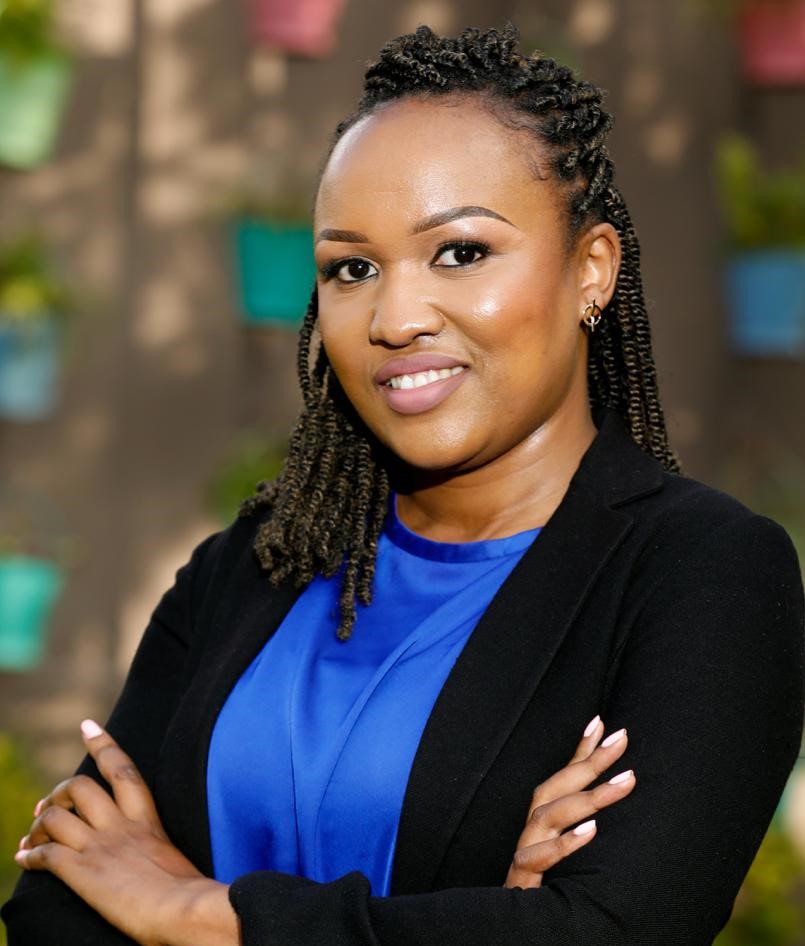
By Susan Mathenge, Britam Trust Manager
 ,
how can I help you today?